
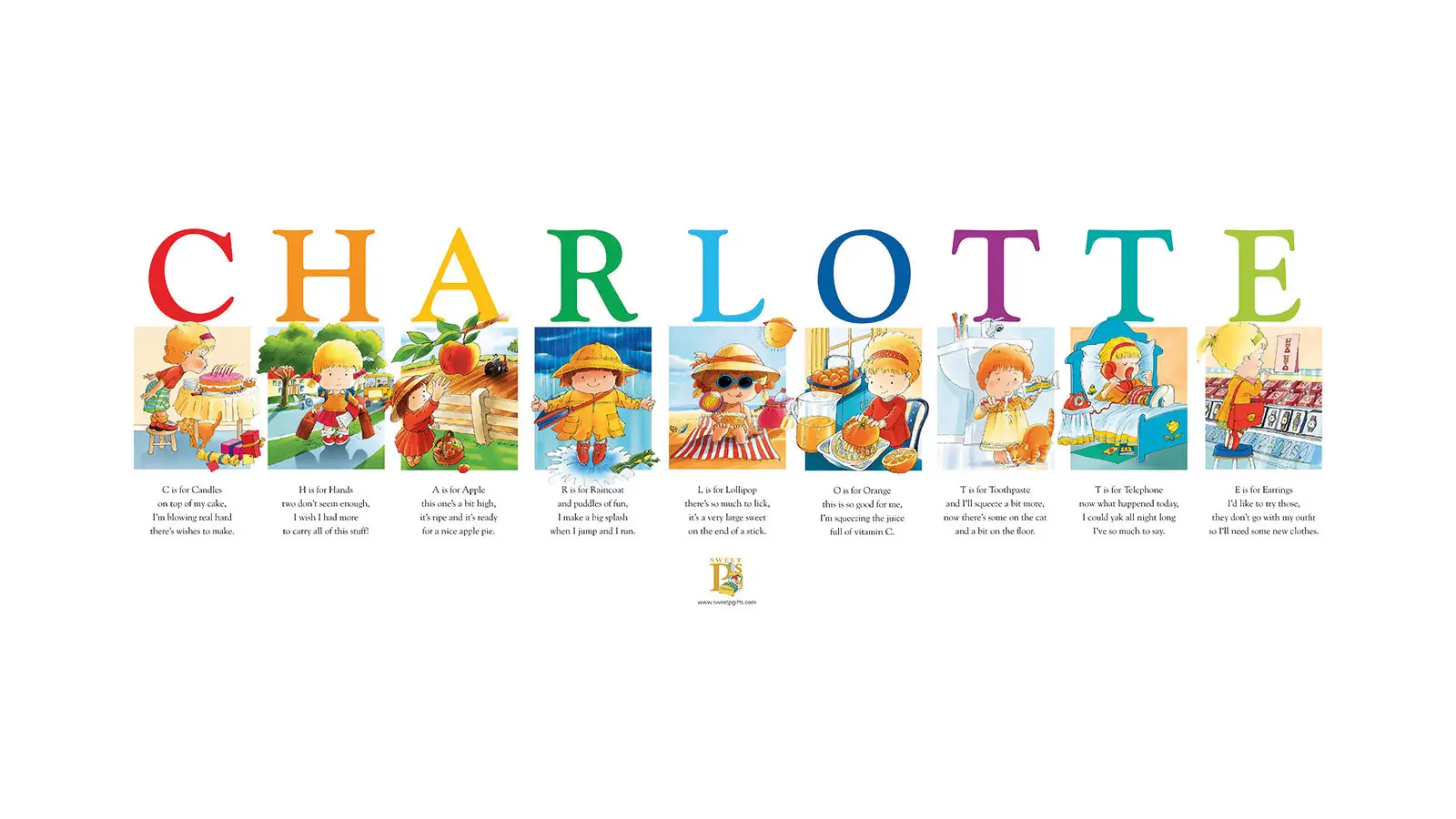
The name Charlotte has a rich and storied history that traces back to the French language. It is derived from the masculine name Charles, which itself comes from the Germanic word “karl,” meaning “free man.” The feminine form, Charlotte, emerged in the 17th century and quickly gained popularity across Europe. The name was initially used among the French nobility, and its association with royalty helped to cement its status as a name of elegance and grace. As you delve into the origins of Charlotte, you may find it fascinating to learn that it was often bestowed upon daughters of kings and queens, further enhancing its regal connotation.
As the name spread beyond France, it found its way into various cultures and languages, adapting to local customs and pronunciations. In England, Charlotte became particularly popular in the 18th century, partly due to the influence of Queen Charlotte, the wife of King George
The Popularity of the Name Charlotte
In recent years, Charlotte has experienced a remarkable resurgence in popularity, becoming one of the most sought-after names for baby girls. According to various naming statistics, it consistently ranks among the top names in countries such as the United Kingdom, Australia, and the United States. This revival can be attributed to several factors, including cultural influences and a growing appreciation for traditional names. As you consider naming trends, you may notice that many parents are gravitating towards names that evoke a sense of history and sophistication, and Charlotte fits this bill perfectly.
The name’s popularity has also been bolstered by its association with contemporary figures and characters in popular culture. The rise of public figures such as Princess Charlotte of Cambridge has undoubtedly contributed to its appeal. As you observe naming trends, you might find it interesting that many parents are inspired by royal names, seeking to bestow a sense of nobility upon their children. This trend reflects a broader desire for names that carry weight and significance, making Charlotte an ideal choice for many families.
The Meaning of the Name Charlotte
The meaning of the name Charlotte is deeply rooted in its etymological origins. As mentioned earlier, it derives from Charles, which means “free man.” This connotation of freedom and independence resonates with many parents who wish to instil these values in their daughters. When you think about the implications of this meaning, it becomes clear why Charlotte is often associated with strong and empowered women. The name embodies a sense of strength and resilience, qualities that many aspire to cultivate in their children.
Moreover, the name Charlotte carries an air of sophistication and elegance. Its melodic sound and graceful syllables evoke images of refinement and poise. As you reflect on the significance of names in shaping identity, you may appreciate how Charlotte encapsulates both strength and grace. This duality makes it an appealing choice for parents who desire a name that is not only beautiful but also imbued with meaning.
Famous People with the Name Charlotte
Throughout history, numerous notable figures have borne the name Charlotte, each contributing to its legacy in unique ways. One of the most prominent is Queen Charlotte of Mecklenburg-Strelitz, who was married to King George III of Great Britain. Her influence on art and culture during her reign in the 18th century was significant, as she was a patron of the arts and played a crucial role in promoting education for women. As you explore her life, you may find her dedication to social causes inspiring, showcasing how individuals named Charlotte have made their mark on history.
In addition to royalty, there are many contemporary figures named Charlotte who have achieved fame in various fields. For instance, Charlotte Gainsbourg is a celebrated French-British actress and singer known for her eclectic style and artistic contributions. Similarly, Charlotte Brontë, one of the famed literary sisters, left an indelible mark on English literature with her novel “Jane Eyre.” These examples illustrate how individuals named Charlotte have excelled in diverse arenas, reinforcing the name’s association with creativity and talent.
Variations and Nicknames of the Name Charlotte
Charlotte is a name that lends itself well to variations and affectionate nicknames. You may find that many people opt for shortened forms such as Lottie or Charlie, both of which carry their own charm while maintaining a connection to the original name. Lottie has a playful quality that appeals to younger generations, while Charlie offers a more modern twist that can be embraced by individuals of all ages. These nicknames provide flexibility and allow for personal expression while still honouring the classic roots of Charlotte.
In different cultures, variations of the name also exist. For instance, in Spanish-speaking countries, you might encounter “Carlota,” which retains the essence of the original while adapting to local linguistic preferences. Similarly, in Italian, “Carlotta” is a popular variant that reflects regional influences. As you explore these variations, you may appreciate how names evolve across cultures while still preserving their core identity.
Charlotte in Literature and Pop Culture
Charlotte has made significant appearances in literature and pop culture over the years, further solidifying its place in contemporary society. One of the most beloved literary characters named Charlotte is from E.White’s classic children’s book “Charlotte’s Web.” In this story, Charlotte is a wise and caring spider who befriends a pig named Wilbur. Her selflessness and intelligence resonate with readers of all ages, making her an enduring symbol of friendship and loyalty. As you reflect on this character’s impact, you may recognise how literature often shapes our perceptions of names and their associated traits.
In addition to literature, Charlotte has also found its way into film and television. The character Charlotte York from the iconic series “Sex and the City” embodies sophistication and ambition, appealing to audiences who admire her pursuit of love and success in a bustling city environment. These portrayals contribute to the multifaceted image of Charlotte as a name associated with strength, intelligence, and charm. As you engage with these narratives, you might find yourself drawn to how names can influence character development and audience perception.
The Personality Traits Associated with the Name Charlotte
When considering personality traits often associated with the name Charlotte, one might think of qualities such as gracefulness, intelligence, and compassion. Many people believe that names can influence character development; thus, those named Charlotte are often perceived as nurturing individuals who possess a strong sense of empathy. This perception aligns with historical figures like Queen Charlotte, who was known for her charitable work and dedication to social causes. As you contemplate these traits, you may find it intriguing how societal expectations can shape our understanding of names.
Furthermore, individuals named Charlotte are often seen as creative thinkers with a flair for artistic expression. This connection to creativity can be traced back to notable figures like Charlotte Brontë and Charlotte Gainsbourg, both of whom have made significant contributions to literature and music respectively. As you reflect on these associations, it becomes evident that the name carries an aura of inspiration that encourages those who bear it to pursue their passions wholeheartedly.
The Name Charlotte in Different Cultures and Languages
The name Charlotte transcends cultural boundaries, appearing in various forms across different languages and societies. In French-speaking regions, “Charlotte” remains popular due to its elegant sound and historical significance. In contrast, Spanish-speaking countries often favour “Carlota,” which maintains the essence of the original while adapting to local phonetics. This linguistic diversity highlights how names can evolve while retaining their core identity.
In addition to variations in pronunciation and spelling, cultural interpretations of the name can also differ significantly. For instance, in some cultures, names are believed to carry specific meanings or auspicious qualities that can influence an individual’s destiny. As you explore these cultural nuances surrounding the name Charlotte, you may gain insight into how names are perceived differently around the world—each variation telling its own unique story while celebrating shared roots.
In conclusion, the name Charlotte is steeped in history and significance that resonates across cultures and generations. From its regal origins to its modern-day popularity, it embodies qualities that many parents aspire to instil in their children—strength, gracefulness, and creativity. With numerous famous figures bearing this name and its presence in literature and pop culture, Charlotte continues to capture hearts worldwide. Whether through variations or affectionate nicknames like Lottie or Charlie, this timeless name remains a cherished choice for families seeking a blend of tradition and modernity.