
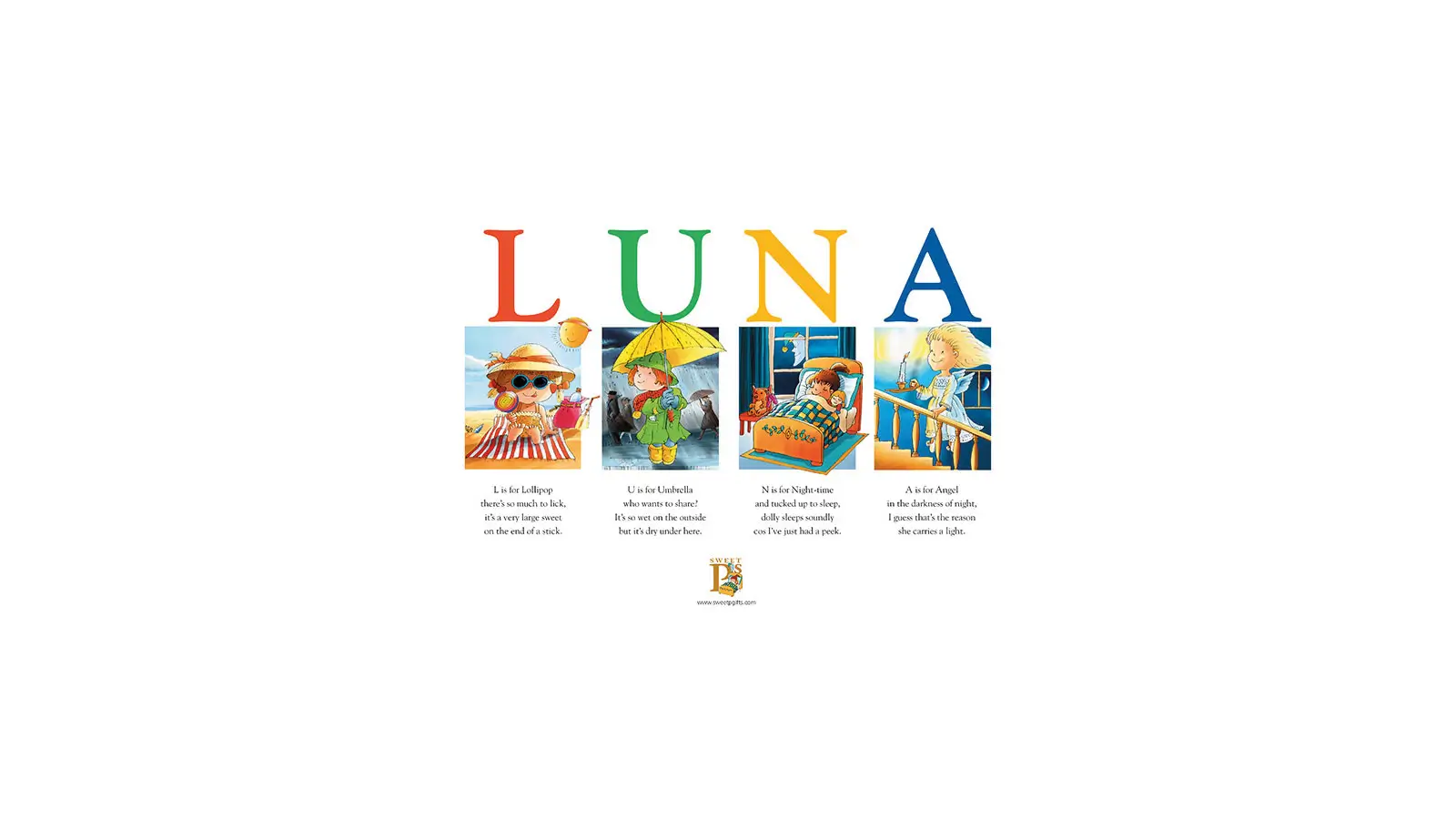
When you hear the name Luna, it evokes a sense of mystery and beauty, doesn’t it? This enchanting name has captured the hearts of many, resonating with those who appreciate its celestial connotations. As you delve into the meaning and significance of Luna, you will discover a rich tapestry of history, culture, and symbolism that surrounds this captivating name. Whether you are considering it for a child or simply intrigued by its allure, understanding Luna’s essence can deepen your appreciation for its charm.
The name Luna is not merely a collection of letters; it embodies a connection to the moon, a celestial body that has fascinated humanity for centuries. In various cultures, the moon has been a source of inspiration, representing femininity, intuition, and the ebb and flow of life. As you explore the layers of meaning behind Luna, you will find that it is more than just a name; it is a reflection of the natural world and the emotions that come with it.
The Meaning of Luna
At its core, the name Luna translates to “moon” in Latin. This simple yet profound meaning carries with it a wealth of associations. The moon has long been seen as a symbol of light in darkness, guiding lost souls and illuminating the night sky. When you think of Luna, you might envision the soft glow of moonlight casting gentle shadows, creating an atmosphere of calm and serenity. This connection to the moon often evokes feelings of peace and tranquillity, making it an appealing choice for many parents.
Moreover, Luna is often associated with femininity and the divine feminine. In various mythologies, the moon is personified as a goddess, embodying qualities such as intuition, nurturing, and emotional depth. As you consider the implications of this name, you may find that it resonates with your own values or aspirations for a child. The name Luna can serve as a reminder to embrace one’s inner strength and sensitivity, qualities that are often celebrated in both literature and life.
Luna’s Origin and History
The origins of the name Luna can be traced back to ancient Rome, where it was used as a name for the moon goddess. In Roman mythology, Luna was revered as a powerful deity who governed the night sky and was often depicted driving a chariot across the heavens. This historical context adds a layer of gravitas to the name, connecting it to a rich tapestry of mythological narratives that have shaped human understanding of the cosmos.
As you explore Luna’s history further, you will find that its usage has evolved over time. While it was once primarily associated with Roman mythology, the name has transcended cultural boundaries and gained popularity in various parts of the world. From Spain to Italy and beyond, Luna has become a beloved name that resonates with people from diverse backgrounds. This global appeal speaks to its timeless quality and universal charm.
Luna’s Popularity and Usage
In recent years, Luna has surged in popularity as a baby name, particularly in English-speaking countries. You may have noticed this trend reflected in baby name lists and social media platforms, where Luna frequently appears among the top choices for girls. Its rise can be attributed to several factors, including its melodic sound and positive associations with the moon.
The name’s popularity is also bolstered by its use in popular culture. You might recall seeing Luna in films, television shows, or even literature, where characters bearing this name often embody qualities such as strength, wisdom, and compassion. This visibility has undoubtedly contributed to its appeal among new parents seeking a name that is both unique and meaningful. As you consider naming options, Luna stands out as a contemporary choice that carries historical significance while remaining fresh and relevant.
Famous People Named Luna
Throughout history, several notable individuals have borne the name Luna, each contributing to its legacy in their own way. For instance, you may be familiar with Luna Lovegood, a beloved character from J.K. Rowling’s Harry Potter series. Known for her quirky personality and unwavering loyalty, Luna Lovegood has become an iconic figure in modern literature, inspiring readers with her authenticity and kindness.
In addition to fictional characters, there are real-life figures who have made their mark while carrying the name Luna. From artists to athletes, these individuals have showcased their talents on various platforms, further enhancing the name’s reputation. As you reflect on these famous Lunas, you might find inspiration in their achievements and the unique qualities they embody—qualities that could resonate with your own aspirations for someone named Luna.
Luna in Literature and Culture
Luna’s presence in literature and culture is both rich and varied. The moon has long been a source of inspiration for poets and writers alike, symbolising everything from love to longing. In poetry, you may encounter references to Luna as a muse or guiding light, illuminating the path for those seeking deeper understanding or connection. This literary association adds depth to the name, inviting contemplation on themes of beauty and introspection.
Beyond literature, Luna has also made its mark in art and music. You might find paintings that capture the ethereal quality of moonlight or songs that evoke feelings of nostalgia and wonder associated with the night sky. These cultural representations serve to reinforce the idea that Luna is not just a name but a symbol of creativity and inspiration that transcends time and space.
Luna’s Symbolism and Significance
The symbolism associated with Luna extends far beyond its literal meaning as “moon.” In many cultures, the moon represents cycles—birth, growth, decay, and renewal. This cyclical nature can serve as a powerful reminder of life’s impermanence and the beauty found within change. As you contemplate the significance of naming someone Luna, you may find comfort in this idea of embracing life’s transitions with grace and resilience.
Additionally, Luna is often linked to intuition and emotional depth. The moon’s phases mirror our own emotional journeys; just as the moon waxes and wanes, so too do our feelings ebb and flow. By choosing the name Luna, you may be inviting an awareness of these emotional currents into your child’s life—a recognition that sensitivity can be a source of strength rather than vulnerability.
Luna as a Contemporary Name Choice
In today’s world, where individuality is celebrated more than ever before, choosing a name like Luna can be seen as an expression of uniqueness and personal identity. As you navigate through countless naming options for your child or simply explore names out of curiosity, consider how Luna stands apart from more traditional choices. Its melodic sound combined with its rich history makes it an appealing option for those seeking something distinctive yet meaningful.
Moreover, as society continues to embrace diversity and inclusivity, names like Luna reflect this shift towards celebrating different cultures and traditions. By choosing such a name, you may be contributing to a broader narrative that values uniqueness while honouring historical roots. In this way, Luna serves not only as a beautiful name but also as a bridge connecting past and present—a testament to the enduring power of language and identity.
In conclusion, whether you are drawn to the celestial beauty of Luna or its deep-rooted symbolism in various cultures, this name offers a wealth of meaning that resonates on multiple levels. From its origins in Roman mythology to its contemporary popularity, Luna embodies qualities that inspire creativity, intuition, and emotional depth. As you reflect on this enchanting name, consider how it might enrich your life or the life of someone special—a timeless choice that continues to shine brightly in our ever-evolving world.